Bronx County
Mold Removal in Morris Park, Bronx
High ground is the reason a wet Morris Park cellar is usually fixable at the building rather than lived with. ZIP code 10462 sits above both Westchester Creek and the Bronx River and has recorded 19 flood claims in its entire history, yet it still took 896 mold violations in a single year.
Request a quote in Morris Park
Tell us what you can see, where the water came from, and whether the building is yours or somebody else's. That is usually enough for us to say which trade you need, and who is on the hook for paying, before anyone comes out.
Would you rather talk it through? Call (315) 640-3590, answered 24/7.
$100 off your first job
Credited by us on your first booked job.
- One credit per customer per property, on your first booked job.
- Valid through December 31, 2026.
Mention this offer when you book. Full terms.
Morris Park's prewar brick blocks, not its ground, are what get wet
Morris Park is the clearest case in the coverage area of dry ground under wet buildings, so nobody here should be sold a flood solution. FEMA returns Zone X at the center of the neighborhood and the ZIP code has 19 claims across its whole history, while 896 mold violations were written in it in 2024. The stock explains it: a median construction year of 1943, 43.1 percent built in 1939 or earlier and 67.0 percent in buildings of ten apartments or more, which is the opposite of neighboring Throgs Neck and puts most Morris Park addresses in the licensed pair plus city filing route by default. For the one and two unit houses the first things to look at are the downspouts, the grading and the sewer lateral of that specific property. For the apartment blocks the city rule is explicit about sequence: correct the underlying defect first, then isolate the area with plastic sheeting and seal the ventilation ducts, and an owner who uses an unlicensed crew instead is exposed to penalties of $800 to $10,000 that the crew does not carry.
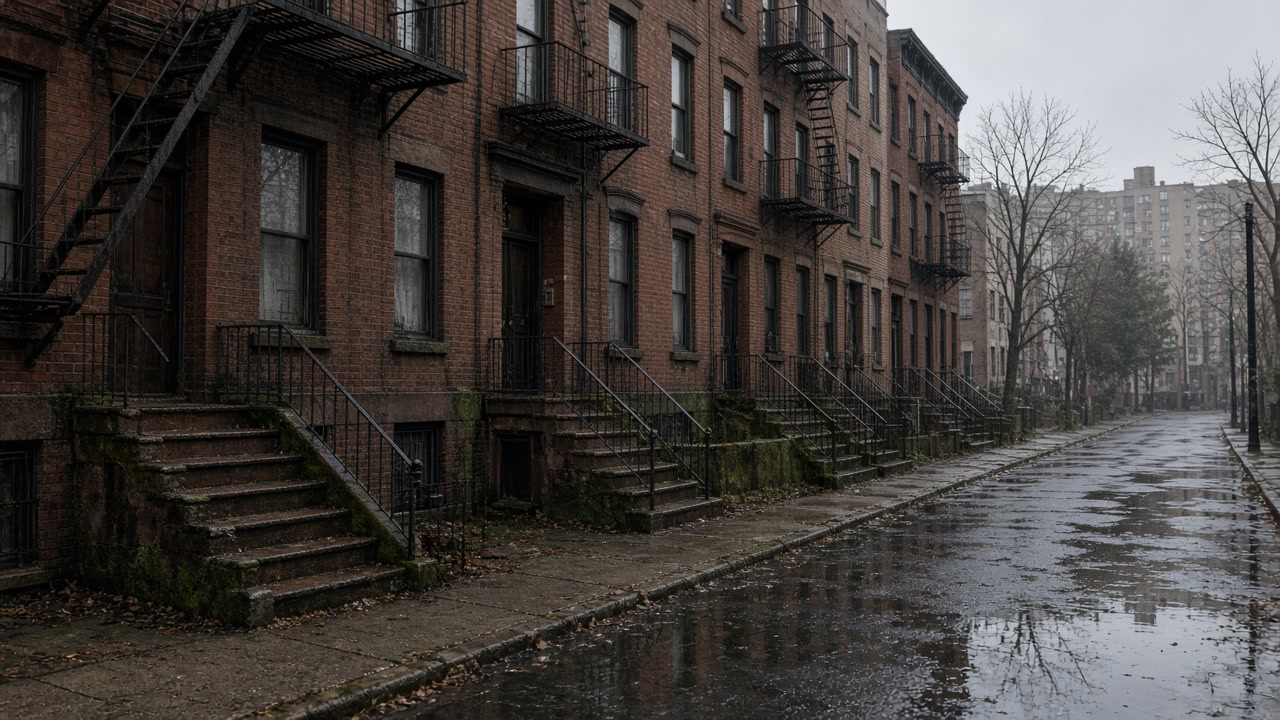
Wet cellar in Morris Park with no flood to blame?
That is the normal case here. Tell us what you can see.
What we arrange in Morris Park
Mold Inspection and Assessment
Find out what is growing, how far it reaches and what water is feeding it, in writing, before anyone quotes a dollar to remove it.
Mold Assessment in Morris Park →Mold Remediation and Removal
Get the mold and the material it is living in out of the building, to a plan somebody independent wrote, with the work checked afterwards by that same independent party.
Mold Remediation in Morris Park →Water Damage Drying and Dry Out
Get the building dry inside the window where wet material is still just wet material, before a water problem turns into a licensed mold project.
Water Damage Drying in Morris Park →Mold Violation Response for Building Owners
Work out exactly what a dated mold violation, or a tenant complaint you have not answered yet, requires you to do, in what order, and who is allowed to do it.
Violation Response in Morris Park →Why a dry flood map and 896 violations sit in the same ZIP code
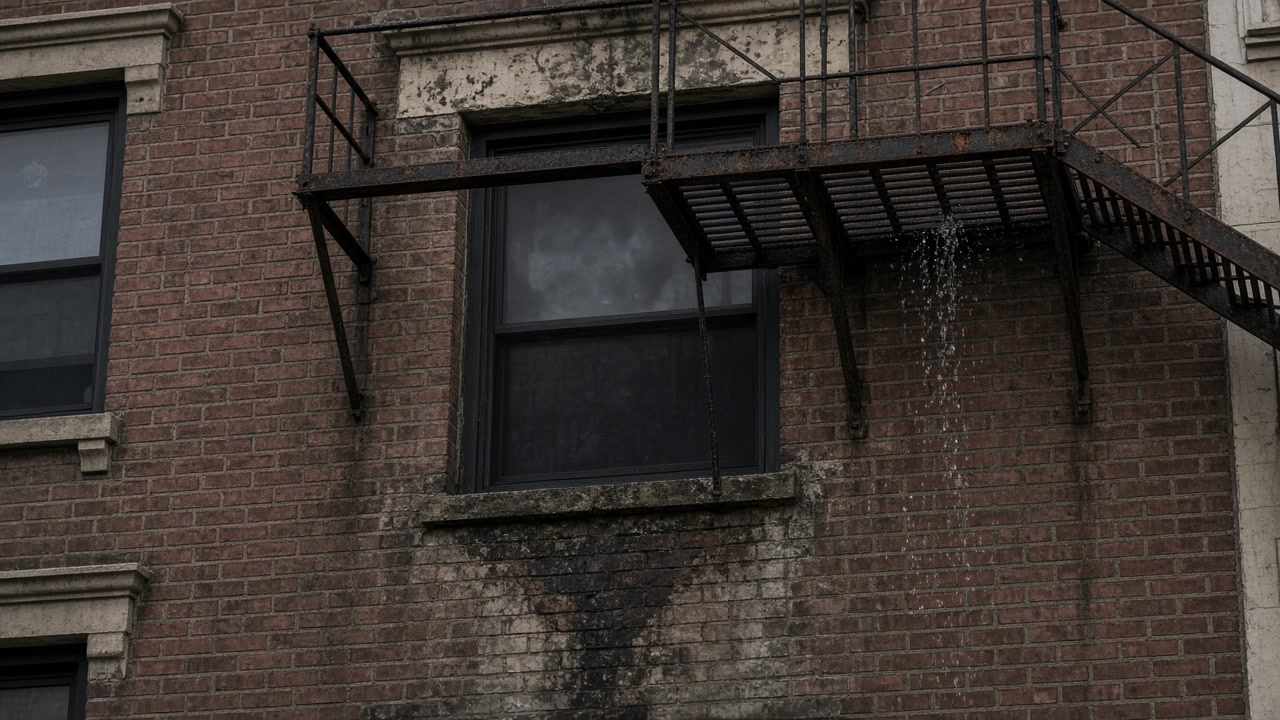
FEMA's National Flood Hazard Layer returns Zone X, an area of minimal flood hazard, at the center of Morris Park, which sits on the high ground between Westchester Creek and the Bronx River rather than on either watercourse.
Source: Federal Emergency Management Agency, National Flood Hazard Layer, accessed 2026-09-16
19 National Flood Insurance Program claims have ever been filed in ZIP code 10462, and 896 mold violations were recorded there in 2024.
Source: Federal Emergency Management Agency, OpenFEMA NFIP redacted claims, accessed 2026-09-16
In ZIP code 10462 the median year of construction is 1943, 43.1 percent of housing units were built in 1939 or earlier, 91.4 percent before 1980, 67.0 percent are in buildings of ten or more apartments and 76.5 percent of occupied units are rented.
Source: US Census Bureau, American Community Survey 2020-2024 5-year, accessed 2026-09-16
The New York City rule implementing Local Law 55 defines an indoor mold hazard to include mold within wall cavities, names defective masonry pointing and water infiltration from plumbing as underlying defects. It then lists the work practices an owner must use: correct the underlying defect first, cover or remove furniture, isolate the work area with plastic sheeting and seal ventilation ducts, mist surfaces before removal or use HEPA vacuum shrouded tools, clean with soap or detergent and water, discard what cannot be cleaned into sealed heavy weight bags, HEPA vacuum or wet clean the remaining dust, and leave the area dry and visibly free of mold.
Source: New York City Department of Housing Preservation and Development, Rules of the City of New York title 28 chapter 54, accessed 2026-09-16
The Department of Environmental Protection states that penalties ranging from $800 to $10,000 may apply where an owner fails to hire the appropriate licensed mold assessors to remediate mold, or where the holder of the mold assessment license does not file the required post remediation assessment form and post remediation record with the department.
Source: New York City Department of Environmental Protection, accessed 2026-09-16
Tell us which building you are dealing with
The unit count decides whether the city filing route applies to you.