Mold Removal in Mott Haven's Postwar Buildings
Postwar concrete fails at the sleeve, the riser and the roof, not at the mortar joint, and the removal follows the failure.
Mold Remediation quote in Mott Haven
Tell us what you can see, where the water came from, and whether the building is yours or somebody else's. That is usually enough for us to say which trade you need, and who is on the hook for paying, before anyone comes out.
Would you rather talk it through? Call (315) 640-3590, answered 24/7.
$100 off your first job
Credited by us on your first booked job.
- One credit per customer per property, on your first booked job.
- Valid through December 31, 2026.
Mention this offer when you book. Full terms.
Who may do the work in a Mott Haven building
In a building this size the superintendent and the managing agent are out of the work itself by law, so the practical question is which outside licensees are coming and in what order. The other Mott Haven specific decision is the sleeve. A through wall air conditioner opening that has been letting water and cold air in for years will wet the new board exactly as it wet the old one, so the removal is worth scheduling around the sleeve repair rather than before it. The city rule agrees in general terms: correct the underlying defect, then contain, then remove, then clean, then leave it dry.
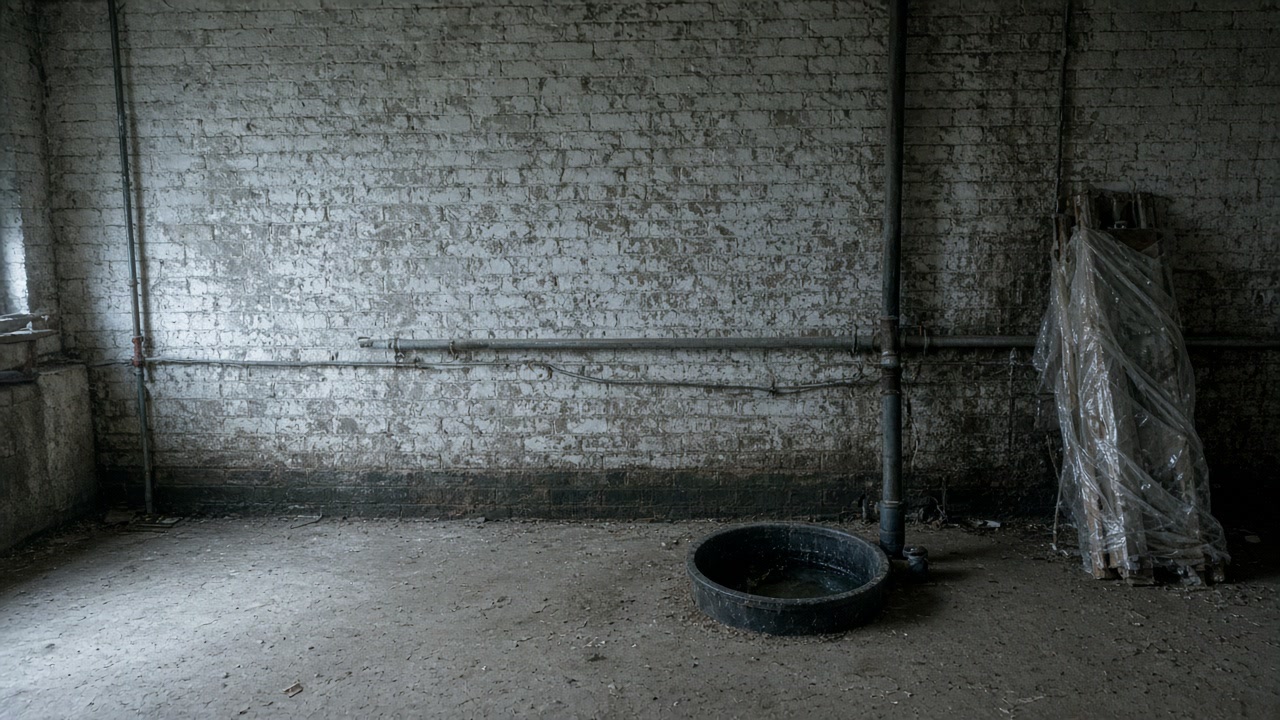
Concrete and board, not lath and plaster
Faster to open and to reinstate than prewar stock, which means the schedule is usually set by filings and access rather than by the material.
In house staff are barred at ten units
The owner, the managing agent and their employees may not perform mold work over ten square feet in a covered building, whatever their skills.
Fix the sleeve before you close the wall
A leaking or uninsulated air conditioner opening is a moisture source and a cold bridge at once, and it will wet the replacement board too.
What Mott Haven's postwar stock means for a removal scope
In ZIP codes 10454 and 10455 the median year of construction is 1966 and 1963, 93.2 percent and 90.9 percent of occupied units are rented, and roughly three quarters of units sit in buildings of ten or more apartments. Only about a quarter of units date from 1939 or earlier, a much smaller prewar share than Fordham's 61.0 percent.
Source: US Census Bureau, American Community Survey 2020-2024 5-year, accessed 2026-09-16
New York City Administrative Code section 24-154, added by Local Law 61 of 2018, defines a covered building as one containing ten or more dwelling units or sitting on a zoning lot with 25,000 or more square feet of non-residential floor area, and a covered person as the owner, the managing agent or an employee of either. For a project, meaning mold work on an area greater than ten square feet, no covered person may perform the assessment, abatement or remediation, and the work must be done by a person licensed under Article 32 of the state Labor Law.
Source: The City of New York, Local Law 61 of 2018, accessed 2026-09-16
The New York City rule implementing Local Law 55 defines an indoor mold hazard to include mold within wall cavities, names defective masonry pointing and water infiltration from plumbing as underlying defects. It then lists the work practices an owner must use: correct the underlying defect first, cover or remove furniture, isolate the work area with plastic sheeting and seal ventilation ducts, mist surfaces before removal or use HEPA vacuum shrouded tools, clean with soap or detergent and water, discard what cannot be cleaned into sealed heavy weight bags, HEPA vacuum or wet clean the remaining dust, and leave the area dry and visibly free of mold.
Source: New York City Department of Housing Preservation and Development, Rules of the City of New York title 28 chapter 54, accessed 2026-09-16
What mold remediation involves in Mott Haven
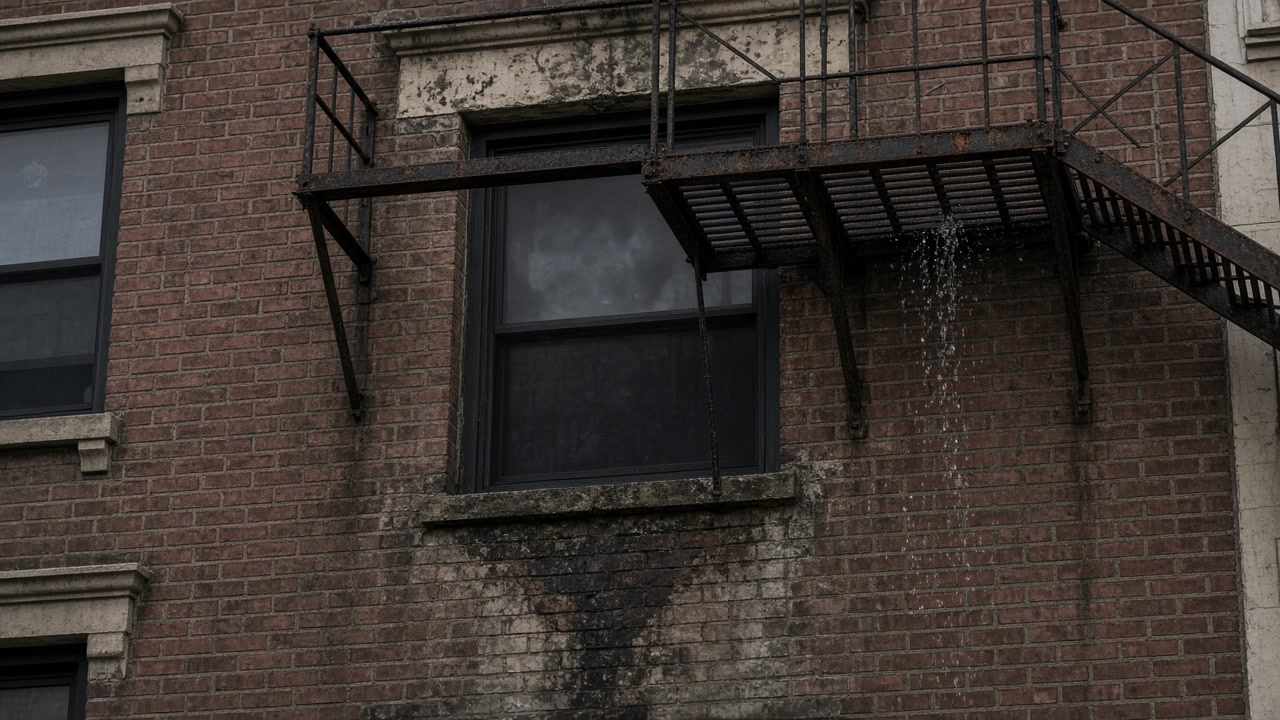
What comes out of a postwar Mott Haven apartment
Mott Haven does not fail like prewar Bronx stock, and the removal looks different because of it. With median construction years of 1966 in 10454 and 1963 in 10455, and only about a quarter of units dating from 1939 or earlier, the wet material is usually board and insulation around a through wall air conditioner sleeve, a riser chase or a roof edge rather than plaster keyed into brick. That is quicker to open and quicker to reinstate. What is not quicker is the permission: roughly three quarters of units here sit in buildings of ten apartments or more.
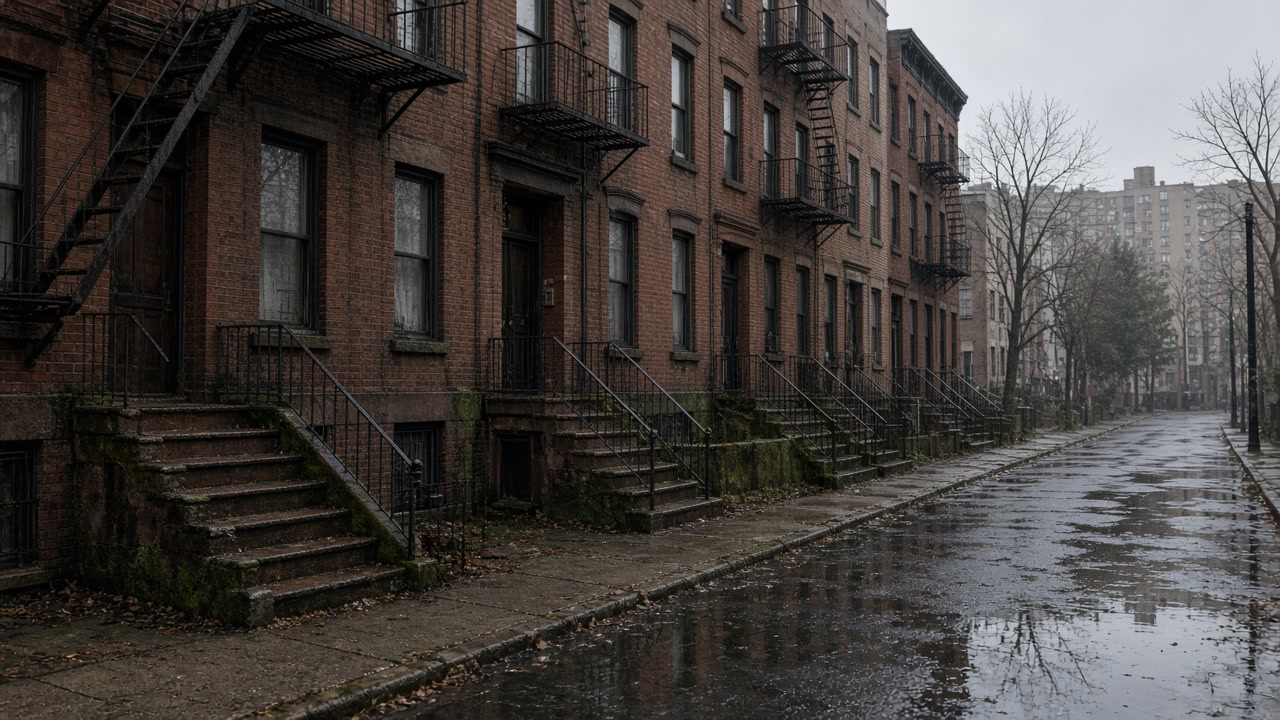
Repeat damp in a Mott Haven line of apartments?
Send the unit numbers and we will ask the assessor to map it as one cause.
What Mott Haven owners and agents ask about removal
Is a concrete building easier to remediate?
The opening up is easier, yes, because board comes off a stud or a furring channel instead of being cut out of keyed plaster. The compliance is not easier at all: at this building size the filings, the two licensees and the clearance report apply exactly as they do in a prewar block.
Can we do the apartments one at a time?
You can, and where one riser or one roof detail is wetting a stack it is usually a false economy. The assessor's plan should say whether the units share a cause, because correcting that defect once is what stops the second and third apartment being repeat work.
Tell us where the wall is wet
Sleeve, riser chase or roof edge each point at a different repair.