Water Damage Drying in Yonkers, NY
Yonkers keeps a list of flood damaged properties and has named its own trouble spots, so your street may already be on the record.
Water Damage Drying quote in Yonkers
Tell us what you can see, where the water came from, and whether the building is yours or somebody else's. That is usually enough for us to say which trade you need, and who is on the hook for paying, before anyone comes out.
Would you rather talk it through? Call (315) 640-3590, answered 24/7.
$100 off your first job
Credited by us on your first booked job.
- One credit per customer per property, on your first booked job.
- Valid through December 31, 2026.
Mention this offer when you book. Full terms.
Where Yonkers itself says the water goes
Few municipalities are this specific about their own weak points. Yonkers told the county hazard mitigation plan that it maintains a list of flood damaged properties and named the Nepperhan River Valley and the Saw Mill River, the Hudson, Clunie Avenue, Nepperhan Avenue, the Bronx River Valley, Tibbetts Brook and Harrison Avenue, with the Saw Mill River Parkway and Warburton Avenue recorded as flood prone too. Against 447 flood insurance policies the city has 801 claims and 239 repetitive loss properties, so a wet basement on those corridors is a repeat rather than an accident.
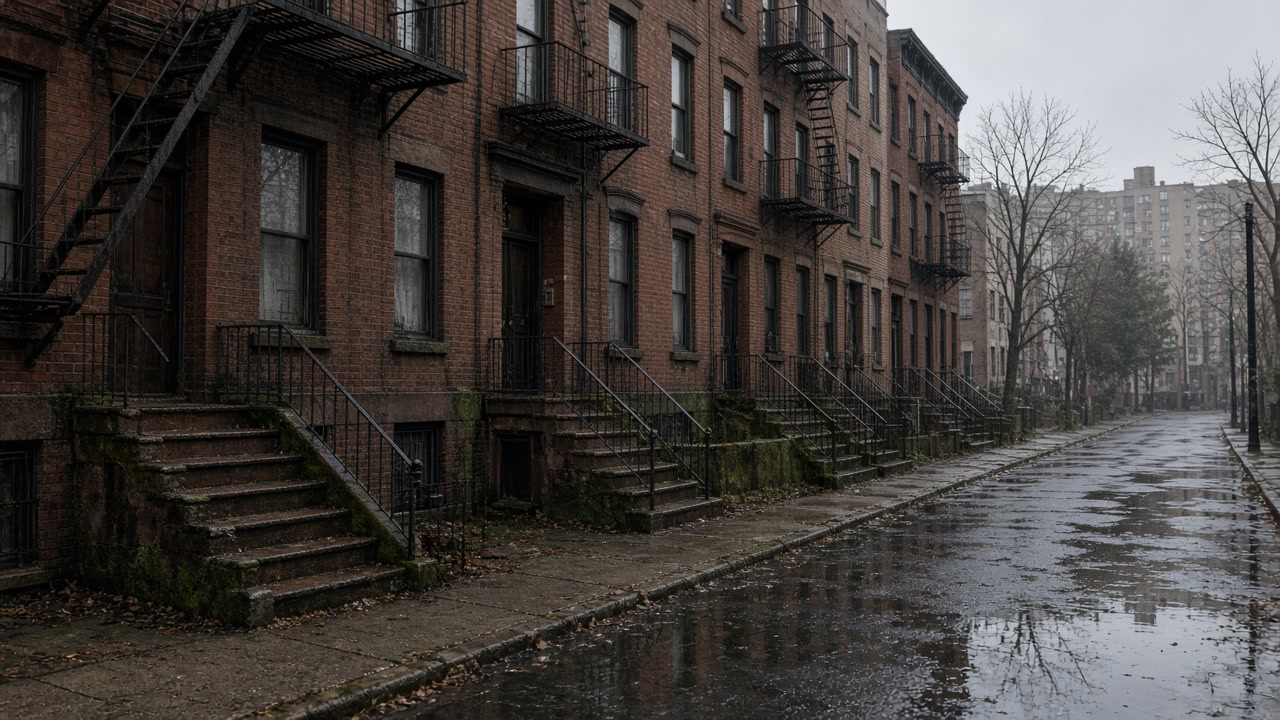
What water damage drying involves in Yonkers
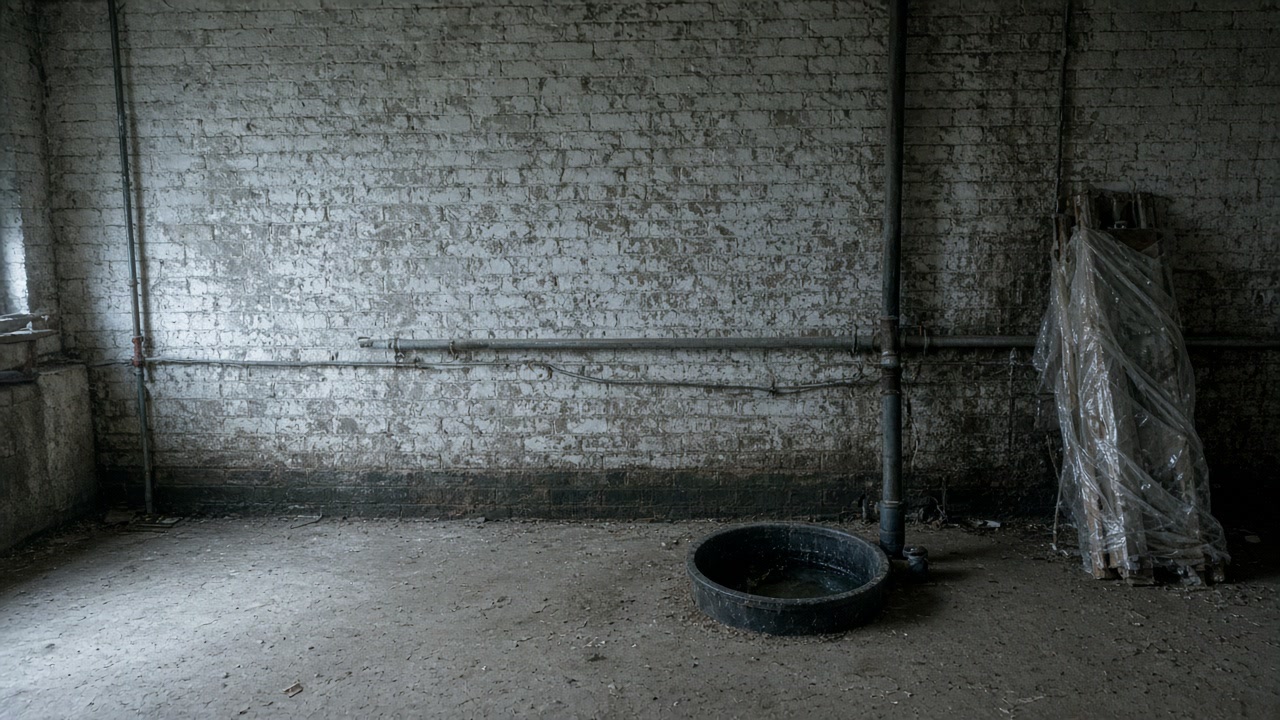
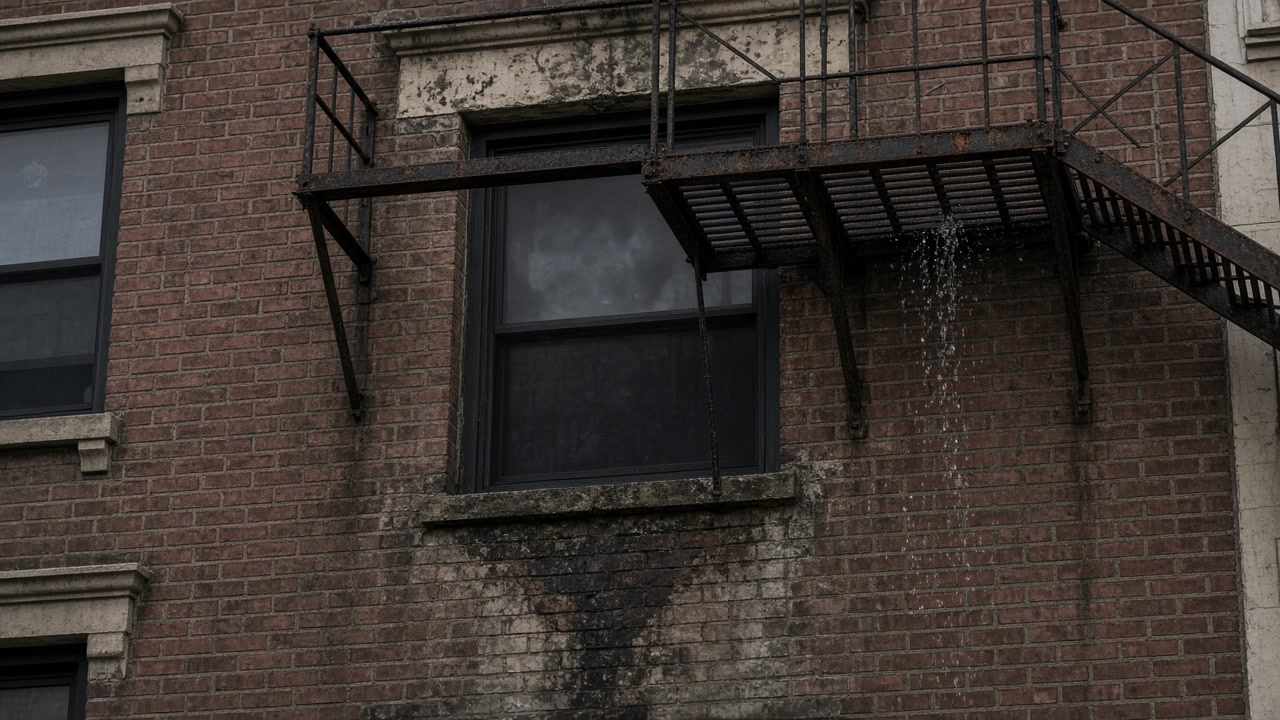
What to plan for in a Yonkers dry out
If your address sits on one of those named corridors, plan the dry out and the rebuild as one decision. The equipment schedule barely changes, but what goes back in the room does: raised storage, washable surfaces and nothing porous at floor level is the difference between drying once and drying every other winter. Where the water came off a river or a stream rather than a supply line it is contaminated, so soaked porous material is removed instead of dried. And the window is unchanged wherever you are: inside 24 to 48 hours most material will not grow anything, and after it the job changes trade.
Check your street against the city's own list
The Nepperhan and Saw Mill valleys, Clunie and Nepperhan Avenues, the Bronx River Valley, Tibbetts Brook, Harrison Avenue and Warburton Avenue are named by the city itself.
239 repetitive loss properties is a planning number
Where a property has flooded more than once, the rebuild specification matters more than the drying invoice.
River water is not clean water
Material soaked by an overtopped stream comes out. Only clean supply water gives you the option of drying it in place.
What the Yonkers flood list and claim record mean for your street
The City of Yonkers told the county hazard mitigation plan that it maintains a list of flood damaged properties and named the Nepperhan River Valley, meaning the Saw Mill River, the Hudson River, Clunie Avenue, Nepperhan Avenue, the Bronx River Valley, Tibbetts Brook and Harrison Avenue as its flood prone areas. The plan also records that the Saw Mill River Parkway and Warburton Avenue are both flood prone.
Source: Westchester County Hazard Mitigation Plan, City of Yonkers annex, accessed 2026-09-16
The Westchester County hazard mitigation plan records 447 flood insurance policies in the City of Yonkers, 801 claims, $12,387,587.61 in total loss payments and 239 repetitive loss properties, on FEMA data current to July 2021.
Source: Westchester County Hazard Mitigation Plan, City of Yonkers annex, accessed 2026-09-16
The U.S. Environmental Protection Agency states that wet or damp materials dried within 24 to 48 hours of a leak or spill will in most cases not grow mold.
Source: U.S. Environmental Protection Agency, accessed 2026-09-16
Basement taking water in Yonkers?
Tell us the street and how deep it came. Phones are answered 24/7.
What follows a Yonkers dry out
What Yonkers residents ask after a flooded basement
Is my property on the city's flood damaged list?
The city told the county it maintains one, so the way to find out is to ask the Department of Housing and Buildings directly. Send us the street in the meantime and we can tell you whether it sits on one of the corridors the city named in the plan.
Why does my basement flood when my neighbor's does not?
Usually grade, lateral condition and where the downspouts discharge, all of which vary house to house even on one block. In the valleys that changes to proximity to the watercourse, and there the honest planning assumption is that it will happen again.
Tell us whether it has happened before
A repeat changes what should go back into the room.